Lost money to a crypto or trading scam? Read this first:

If your losses exceed £3,000 (in the UK) or $10,000 worldwide The Crypto Adviser offers FREE advice on recovering your funds.

>> GET IN TOUCH
Can I Still Make Money Mining Bitcoin and Crypto at Home?

When it comes to crypto, FOMO is an acronym that often springs to mind.
We’ve all seen the airbrushed photos of Bitcoin millionaires draped over their gleaming Lamborghinis on social media and some of us understandably want a piece of the action.
This has led to a tsunami of ‘Fear Of Missing Out’ investors diving headfirst into crypto.

For most, this has meant buying some coins through an exchange.
But what if you don’t have the cash to buy crypto to invest in?
In the early days of Bitcoin you could mine coins at home using a standard PC.
Many people still want to know if they can mine cryptocurrency at home and whether it’s still possible to make money mining Bitcoin (BTC) on your PC?
Can I mine Bitcoin and cryptocurrency on my PC or Mac?
The short answer is no, not profitably. But that’s not to say there aren’t other options which we’ll get to later on.
Bitcoin is the grandfather of crypto, having been launched way back in 2009.
It now requires too much computer processing power and electricity to practically mine at home unless of course you’re a tech wizard with some serious hardware and access to ‘free’ (ie stolen) power.
The reality is that profitable Bitcoin mining ‘farms’ now consist of vast warehouses filled with dedicated computers known as Application-Specific Integrated Circuit (ASIC) Miners.

The sole purpose of the custom-built ASICs is to complete the hugely complex calculations required to mint new coins, of which only 21 million can ever exist, with many of these already having been lost.
However, there are ‘altcoins’ (cryptocurrencies other than Bitcoin) that you can still mine at home and possibly profit from, although don’t expect to be placing your Lambo order any time soon.
Some of these are obscure and need a reasonably high degree of technical knowledge to tackle.
Also, there’s no certainty that they’ll ever be worth more than the electricity it’ll cost to mine them.
Ethereum mining
There’s one crypto – Ethereum (ETH) – that’s the second highest value crypto by market cap (market capitalisation) – which used to be fairly straight forward to mine and has the potential to increase significantly in value.
Until recently, all you needed to mine Eth was a decent graphics card (minimum 6GB RAM at the time of writing) that hasn’t been deliberately tweaked by the manufacturer to reduce its mining efficiency.
Some GPU makers, include Nvidia, released graphics cards designed to thwart efficient crypto mining.
It was done to combat a global shortage of graphics cards driven by a huge surge in crypto mining.
Many gamers complained that they’re unable to buy the hardware needed to play the latest releases because the cards are being scooped up by cryptocurrency miners before they can get their hands on them.
However, all this has changed as ETH has moved to a ‘proof-of-stake’ framework, in a move dubbed The Merge.
Instead of computers burning electricity to verify transactions (known as proof-of-work), the blockchain is maintained by investors depositing their crypto into a pool, with rewards distributed at random to those selected to verify transactions.
The new proof-of-stake method of confirming transactions has cut the Ethereum blockchain’s power usage by as much as 99%. It has also led to a reduction in the fees required to transact on the network.
How to get started mining crypto at home
The simplest way to mine crypto at home is by joining what’s called a mining pool.
This is where the processing power of your computer is added to that of other computers around the world to perform the calculations required to mine crypto.
However, depending on your setup, the rewards can be extremely low, especially when you factor in the fees you’ll pay to the people administering the pool and your electricity costs.
You also need to consider the impact on your hardware as well, which is an additional cost.
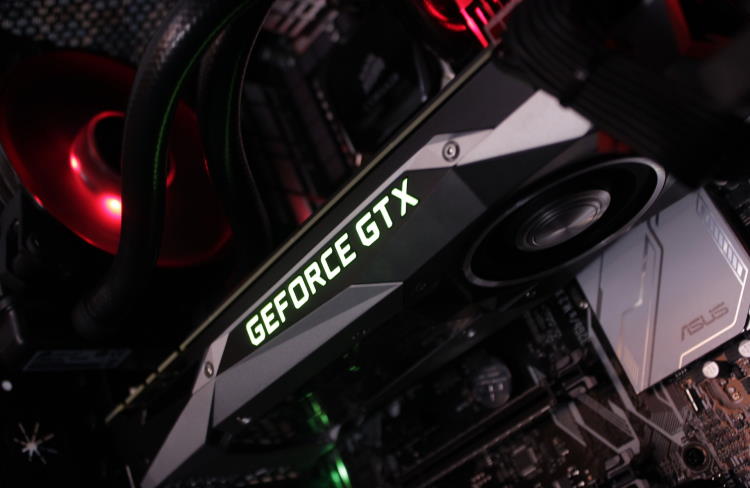
Constantly using your CPU and/or GPU to mine crypto can shorten its lifespan meaning you’ll have to fork out for replacement kit much sooner than planned.
Here are some of the best-known mining crypto mining pools:
- Slush Pool
- AntPool
- BTC.com
- F2Pool
- Poolin
Remember to always do your own research. Some pools have higher fees, while others may have a faster payment process.
You’ll also need to check that your computer meets the minimum requirements of the pool you’re planning to use.
Also, you’ll need a degree of technical proficiency to tweak the settings necessary to plug your hardware into the network of miners.
For most people pool returns will be relatively low, but earning a passive income from your spare computing power is still appealing to many.
Alternatives to a crypto mining pool
If you don’t want to join a pool the alternatives are to either go it alone or consider what’s known as cloud mining.
Solo mining may seem appealing as you won’t have to part with any of your mined crypto to cover fees.
But in order to make any kind of serious profit you’ll need to build your own mining rig with multiple GPUs.
The initial cost will be high, your electricity bill will be huge, and you’ll need the technical know-how to get your mining rig up and running and maintained.
The other option is to pay a company that offers cloud mining.
They run the mining hardware and you rent the processing power from them and receive the mining rewards.
But all this comes at a costs and you’ll need to make sure you choose a reputable company before embarking on this route.
Also, many people believe that’s it’s more profitable to simply buy crypto from an exchange than it is to purchase processing power from a cloud mining firm.

Cryptocurrency mining apps
There’s one further option to consider and that’s using an app that taps into the processing power of your computer to mine cryptocurrency.
Several crypto platforms offer mining apps and it’s important that you do your own research before taking the plunge.
However, there’s no upfront cost involved, and the only potential downside is that, as with other crypto mining methods, your electricity bill and hardware costs will exceed your profits.
Mining app examples:
- NiceHash
- CGMiner
- Kryptex
Mining apps are effectively brokers which connect people with spare processing power (known as ‘hash power’) with those who want to buy it.
Mining pools on the other hand allow you to pool your resources with other miners in return for a share of newly minted Bitcoin and possibly miner fees which are paid when crypto transactions are made.
Another major difference between an app and a mining pool is simplicity.
With an app, all you need to do is install a small piece of software and allow to run in the background without any tweaks under the hood.
However, as I’ve mentioned, with mining pools you’ll need a degree of technical ability to connect your GPU/CPU to the pool servers.
There are many other app platforms available so make sure you research them thoroughly before deciding which you prefer.
Is it profitable mining crypto with my home PC?
With all cryptos, the prices often lurch violently from one extreme to the other depending on market sentiment.
This can mean huge profits and equally big losses.
However, a cryptocurrency you mine today that’s worth pennies per coin could potentially become the next Bitcoin worth tens of thousands of pounds.
However, it’s unlikely that this will happen, especially as there are now thousands of cryptos on the market, with more springing up every week.
But it’s not completely impossible.
If you’ve got a decent GPU, then mining Ethereum is a good choice.
It’s an established crypto/blockchain with a huge ecosystem built around it, together with support from dozens of major players in the crypto world.
It’s already seen a surge in value, with many commentators speculating that there are more large gains to come.
Of course, this may not happen. But if all you’re doing is committing some of your spare processing power to crypto mining then you don’t have a lot to lose.
It may be a gamble worth taking.
Related post: Is mining Ravencoin on a home PC profitable?





Disclaimer: Nothing on this website constitutes financial advice. The information provided is for educational purposes only.