Lost money to a crypto or trading scam? Read this first:

If your losses exceed £3,000 (in the UK) or $10,000 worldwide The Crypto Adviser offers FREE advice on recovering your funds.

>> GET IN TOUCH
Warning Over Facebook Seed Phrase Phishing Scam
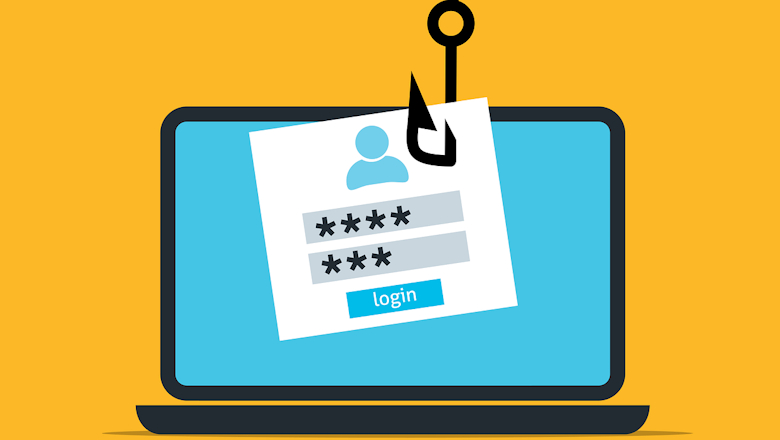
Seeing a post in your Facebook feed saying your crypto wallet seed phrase could be among millions that have been compromised in a hack would make some in the crypto community sit up and take notice.
What if the next line of the paid-for post gave the address of a website where you could input your seed phrase to see if it was at risk, and the URL looked like it was connected to a well-known legitimate platform?
Many of us would immediately realise this was a scam but there may be some people out there who would click the link and follow the instructions because they were fearful their crypto was about to be stolen.

If they did, they’d reveal their seed phrase to the platform where it could then be used to drain their wallet of any crypto it contained.
The message, which we’ve seen, is quite a lengthy post clearly been written with the help of AI that sounded very professional and used technical information that, for the most part, was accurate.
Link leads to scammers’ website
At first glance the link address appeared to be connected to a major platform that many people who are familiar with the world of crypto would have heard of. But in reality it had been manipulated and actually pointed to a completely unrelated website which was clearly being operated by scammers.
Your seed phrase (the 12-24 words you’re given when you set up a crypto wallet) is effectively the master key to your crypto wallet and should only be known to you and stored offline and securely.
If anyone gets hold of this information they can gain control of your funds and do with them as they wish which means they can transfer them to a wallet they control and could be lost forever.
The link in the Facebook message was being operated by scammers who were using it to hoover up any seed phrases typed in by unsuspecting crypto owners before having a feeding frenzy on their crypto.
More work needed to stamp out scams
This is just one example of the myriad of scam adverts that are continuing to infest social media platforms.
Given the huge leaps forward with AI, it’s surprising that such ads can still make it through on to social media platforms such as Facebook.
How long had the ad been running for? How many people had fallen for it and faced the anguish of having their coins stolen before it was removed?
Surely in this day and age phishing ads like this should be stopped before they’re seen by the general public. But unfortunately too many of them are still making their way onto major platforms with alarming frequency.
Another example is fake celebrity endorsement ads which have been running for many years.
So far this year we’ve seen multiple adverts, again on Facebook, featuring well-known UK media personalities supposedly endorsing investing schemes, some involving crypto, that promise eye-watering and completely unrealistic returns. We’re sure it’s the same for other countries as well using home-grown celebrities.
The posts are clearly fake, as are the images of the celebrities that accompany them, but they are good enough to fool some people into clicking through to find out more and potentially getting themselves embroiled in a scam.
We often see the results of this when people approach us for help in dealing with the fallout of a scam they’ve fallen for which has often cost them many thousands of pounds.
Scammers targeting unsuspecting investors
Scammers prey on people’s lack of knowledge about investing and how crypto works while dangling the carrot of huge profits in a short space of time to lure them into their schemes.
We’ve written before about how social media platforms have been excruciatingly slow to act on fake ads, while sometimes refusing to remove them altogether.
Despite assurances that more action is being taken to stamp out the scammers, it’s clear that many adverts that are blatantly trying to defraud people are still slipping thought the net.
Until more concrete action is taken either by the platforms themselves, or by Governments and regulatory bodies, the number of scam victims will continue to grow.
Have you been a victim of a scam you encountered on a social media platform? Tell us your story.





Disclaimer: Nothing on this website constitutes financial advice. The information provided is for educational purposes only.